Hist ric Hartfrd Synaggues
Hartford synagogues have had many notable rabbis and cantors through the years. Some became prominent on a state or national level for writing and speaking out on a variety of issues such as racial equality, education, and Zionism while others were known for the quality of their sermons or musical talent. All served their congregations with strength, dignity and an adherence to Jewish beliefs and values.


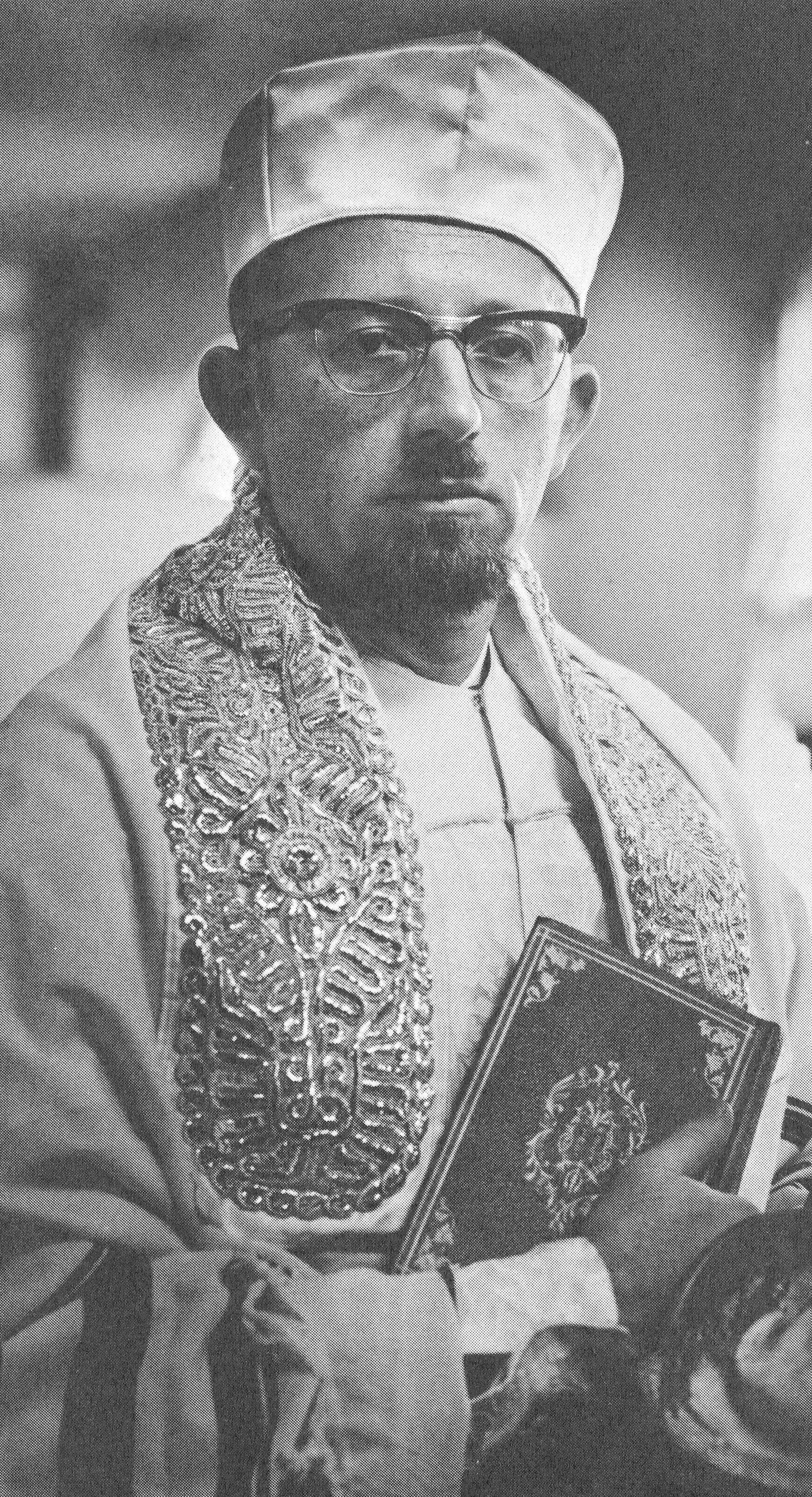
Rabbi Isaac Avigdor
Highlights
- 1920-2010
- Born: Poland
- Educated: University of Lwow
- Served: United Synagogues of Greater Hartford
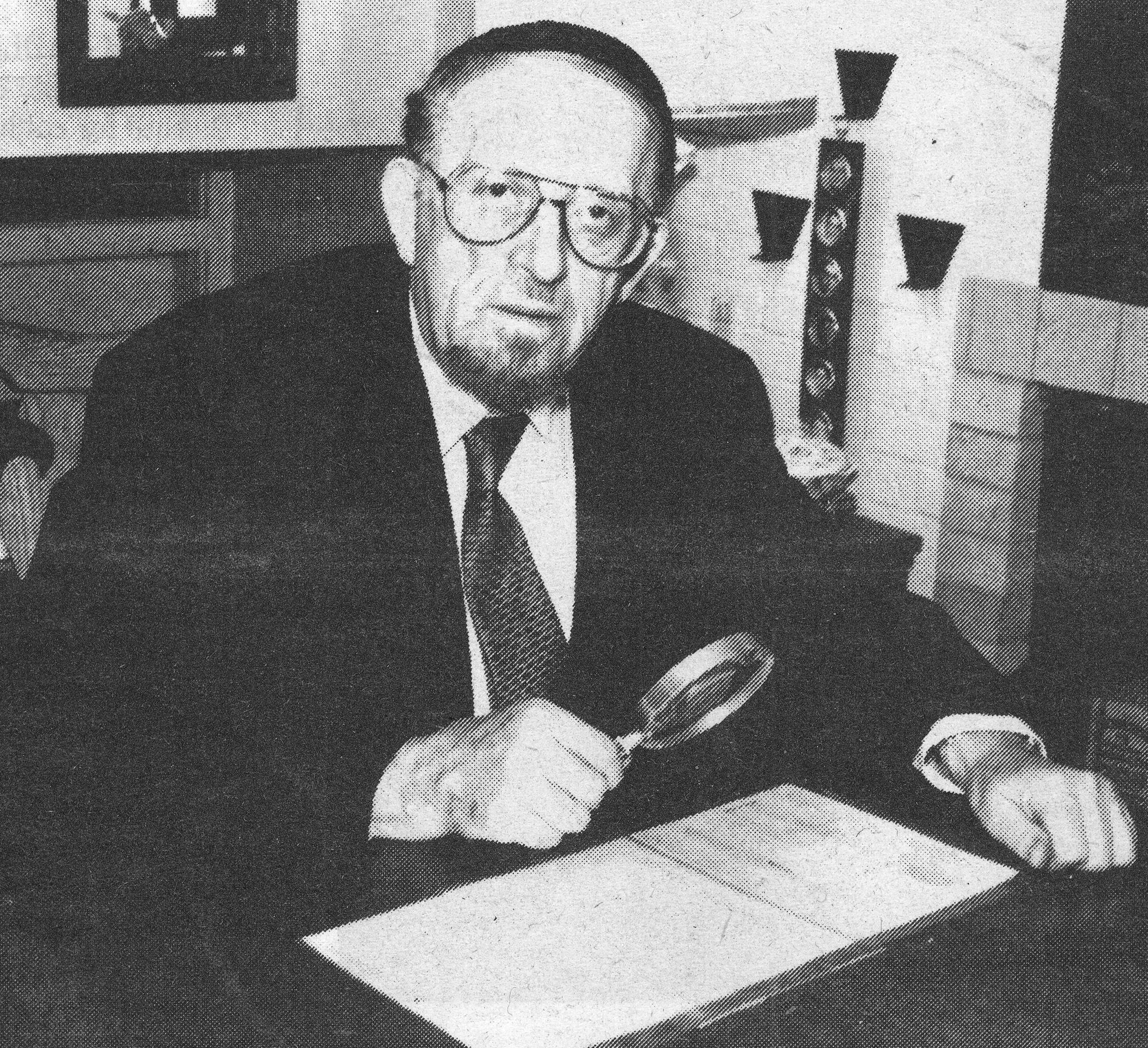
Isaac C. Avigdor was the son of Rabbi Jacob Avigdor, the distinguished chief rabbi of Drohobycz - Boryslaw, Poland during the 1920's and 1930's. The younger Avigdor attended the University of Lwow and received rabbinic ordination from Rabbi Sholom Czernik, author of Mishmeret Sholom, and Rabbi Nahum Babad, rabbi of Tarnopol. He then assisted his father.
Rabbi Avigdor was imprisoned by the Nazis in 1939 and spent the next six years in labor and concentration camps including Auschwitz and Mauthausen. Liberated by the American army in May 1945, he became active in the rescue and rehabilitation of Jewish refugee children in Europe and was attached to the Jewish Brigade of the British army. Rabbi Avigdor emigrated to the United States in 1948, where he first served as a yeshiva administrator and then as executive vice president of Hapoel Hamizrachi (one of the national organizations of religious Zionists) in New York City.
In 1957, Ateres Knesseth Israel purchased a lot on the corner of Mohawk Drive and North Main Street, prime real estate in West Hartford. To help support this venture, Ateres Knesseth Israel merged with Beth Hamedrash Hagodol (generally known as the Garden Street Synagogue) to form the United Synagogues of Greater Hartford in 1962. The congregation remained active throughout the tenure of Rabbi Avigdor, who retired in 1993. Rabbi Avigdor's higher secular education and his pedigree as the son of a renowned decisor (posek) of Jewish law made him especially attractive to the European immigrants and their children who were members of his new synagogue. Nevertheless, when he sought to describe his experiences during the Holocaust, he was cautioned against such a step. Further, when the congregation reached West Hartford, the synagogue board asked him to dispense with bi-weekly Yiddish sermons in order to be "modern."
Avigdor was an active communal leader, but outside of Hartford, he became best known for his publications. He authored hundreds of articles in Hebrew, Yiddish, and English that appeared regularly in the popular Yiddish and Anglo-Jewish press as well as two autobiographical books of reminiscences and sermons describing his concentration camp experience and a volume of Yiddish poetry written during his incarceration.