Hist ric Hartfrd Synaggues
Hartford synagogues have had many notable rabbis and cantors through the years. Some became prominent on a state or national level for writing and speaking out on a variety of issues such as racial equality, education, and Zionism while others were known for the quality of their sermons or musical talent. All served their congregations with strength, dignity and an adherence to Jewish beliefs and values.


Rabbi Haskel Lindenthal
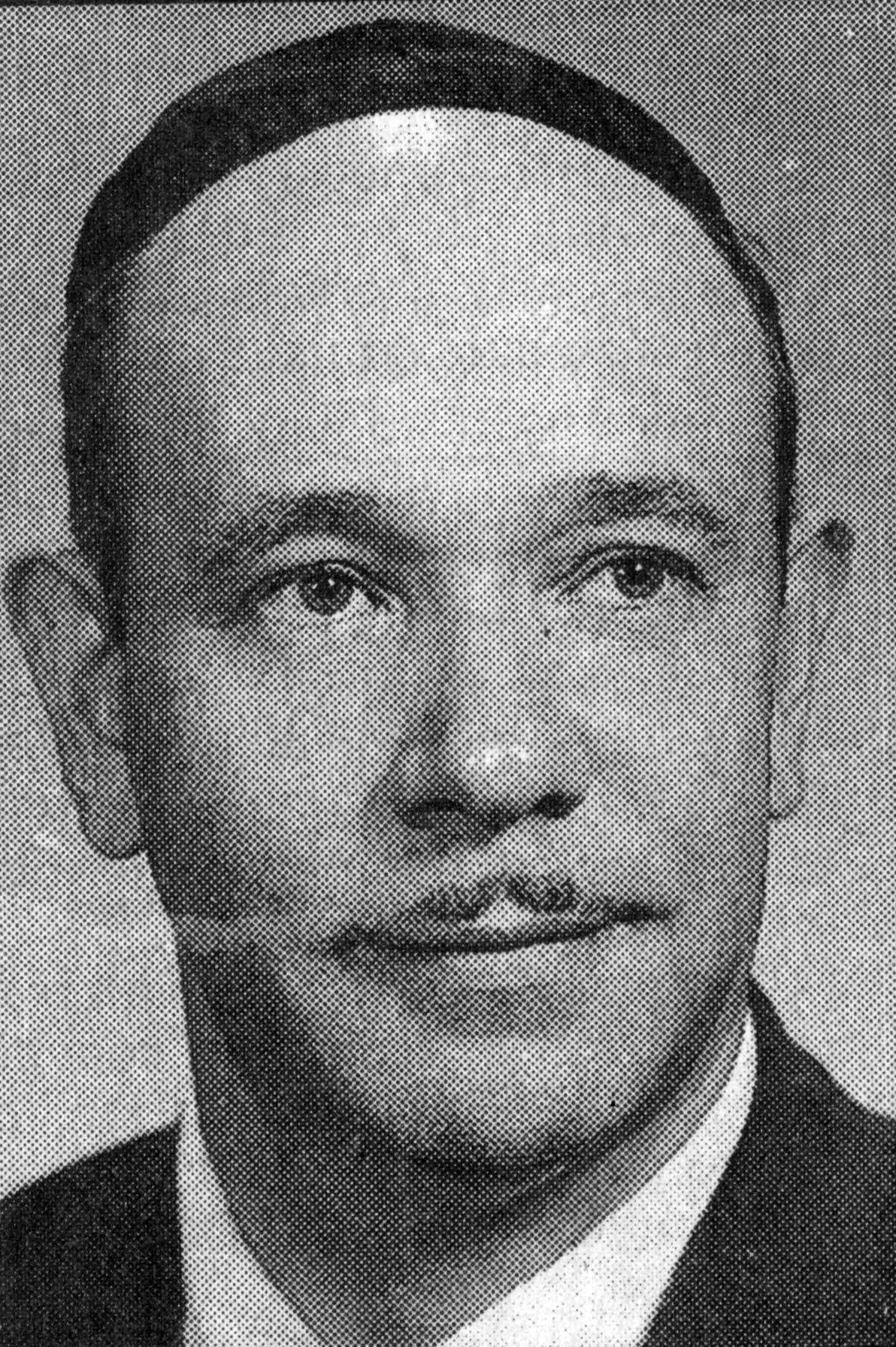
Highlights
- 1916-2008
- Born: Wyzan, Poland
- Served: Teferes Israel
- Education: Grodno Yeshiva, Hebron Yeshiva
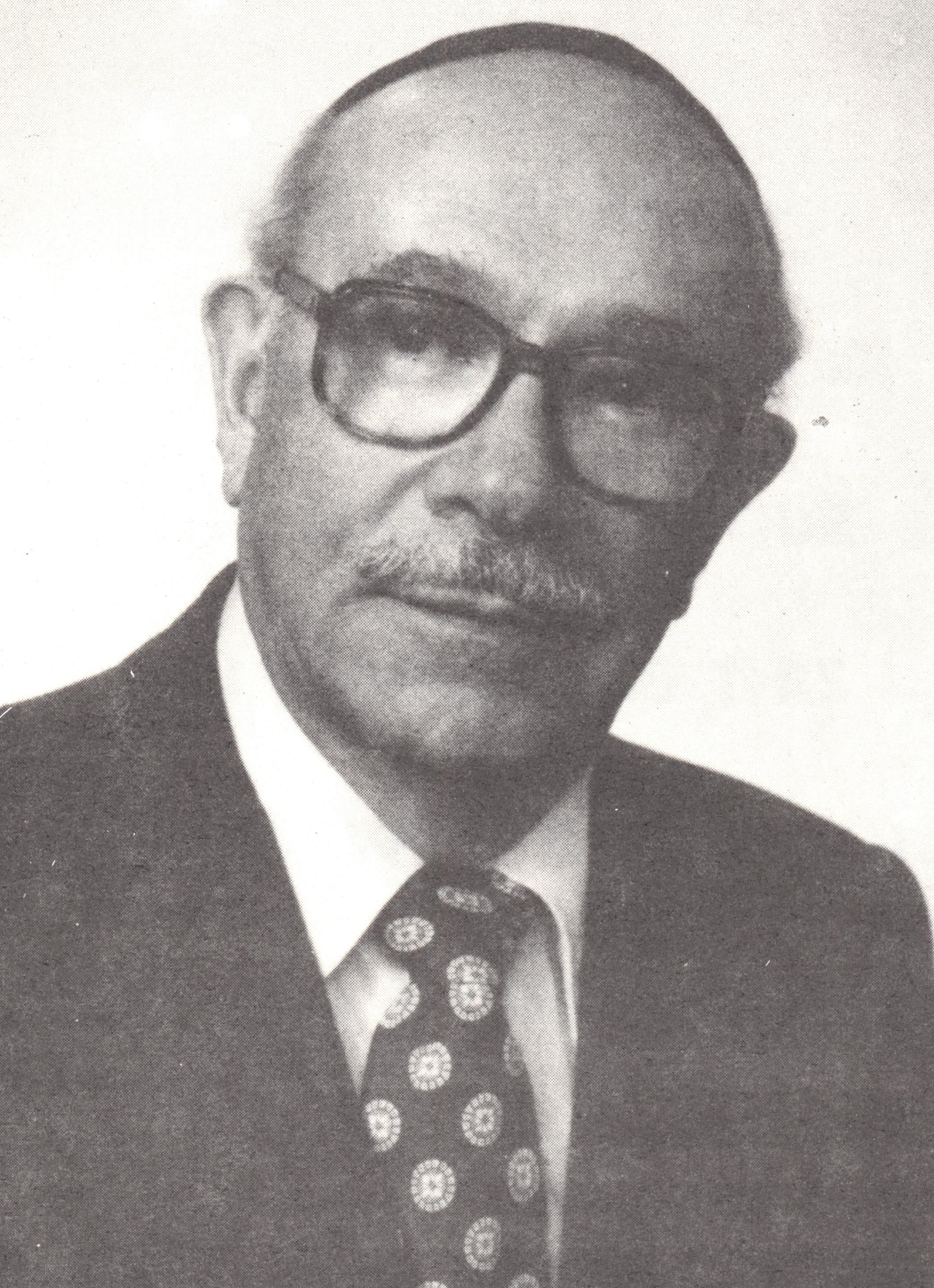
Haskel Lindenthal was born in 1916 in Wyzan, a small town in northeast Poland and attended some of the leading yeshivot of Eastern Europe. At the age of ten and a half, he left his family to go for his early training to Suwalky Talmud Torah, returning every other year on Passover. Later, he studied at the Grodno Yeshiva, at the Reb Miles Yeshiva (Netsakh Yisrael) in Vilna, and at the Yeshiva of Mir, three renowned rabbinical academies in Europe, now lost. He received smichah (rabbinical ordination) separately from two of the leading lights of Orthodox Jewry, Rabbis Shimon Shkop the head (Rosh Yeshiva) of Grodno, and later from Rabbi Yehezkel Sarna, the head of the Hebron Yeshiva in Jerusalem.
In 1936, Rabbi Lindenthal went to Palestine, where he continued his studies at the Hebron Yeshiva. There he learned the practical skills of the shochet and mohel, receiving kabbala (licensure as a ritual slaughterer) from the Chief Rabbi of Jerusalem, Rabbi Tsvi Pesach Frank. Shortly after his arrival, he joined the Haganah, the Jewish underground military organization in Palestine. Trained in the use of small arms and hand grenades as well as military strategy, he assisted with Aliyah Bet, the immigration of Jews to Palestine outlawed by the British Mandate government. Rabbi Lindenthal's decision to pursue learning in Palestine saved his life, but his father, a brother, four sisters, three brothers-in-law, their children, and other family members were murdered in the Holocaust.
Rabbi Lindenthal came to the United States after the outbreak of the war in Europe because his wife, Naomi Weinberg, the daughter of a Jerusalem family, possessed American citizenship. Her father, a meshulakh (a traveling fund raiser for yeshivot), had gained citizenship and was able to bestow it on Naomi, her siblings, and her mother. For Naomi, American citizenship was her father's legacy since he died before she was born. Naomi's American citizenship required that she come to the United States before the age of twenty-two. In January 1939, she embarked for the homeland she had never known. She settled in Hartford, where older siblings had come a decade earlier.
Her husband, Rabbi Lindenthal, was able to join her in April 1940. Shortly after his arrival, he received an offer to serve as a rabbi in Roanoke, Virginia, a community he served until 1944, when he returned to Connecticut and settled in Middletown. There he served as a shochet and led the Hebrew school at Congregation Adath Israel, where a newly ordained, American trained rabbi, William Cohen, led the congregation for two years. Rabbi Lindenthal's roles in Middletown helped him to improve his fluency in English, a language he eventually spoke with particular eloquence. His budding linguistic facility made him more attractive as a potential American spiritual leader and, with the endorsement of Eva Stolz, Naomi's stepsister, he received an offer to lead Chevre Kadishe Teferes Israel, a congregation developed from the merger of immigrant synagogues founded at the turn of the century. In 1956, its leaders asked Rabbi Lindenthal to serve as their rabbi for the salary of $35 per week. Under his leadership, the synagogue grew to over 300 members and Rabbi Lindenthal served as its spiritual leader for over 40 years. The synagogue followed Hartford's Jewish community to the suburbs, establishing new quarters at 27 Brown Street in Bloomfield in 1970. In addition to his rabbinic duties, Rabbi Lindenthal was a popular mohel for the Hartford community and published four books: Pages of My Life, an autobiography; A Taste of Talmud, a selection of Talmudic wisdom; and two books on Hebrew poetry.